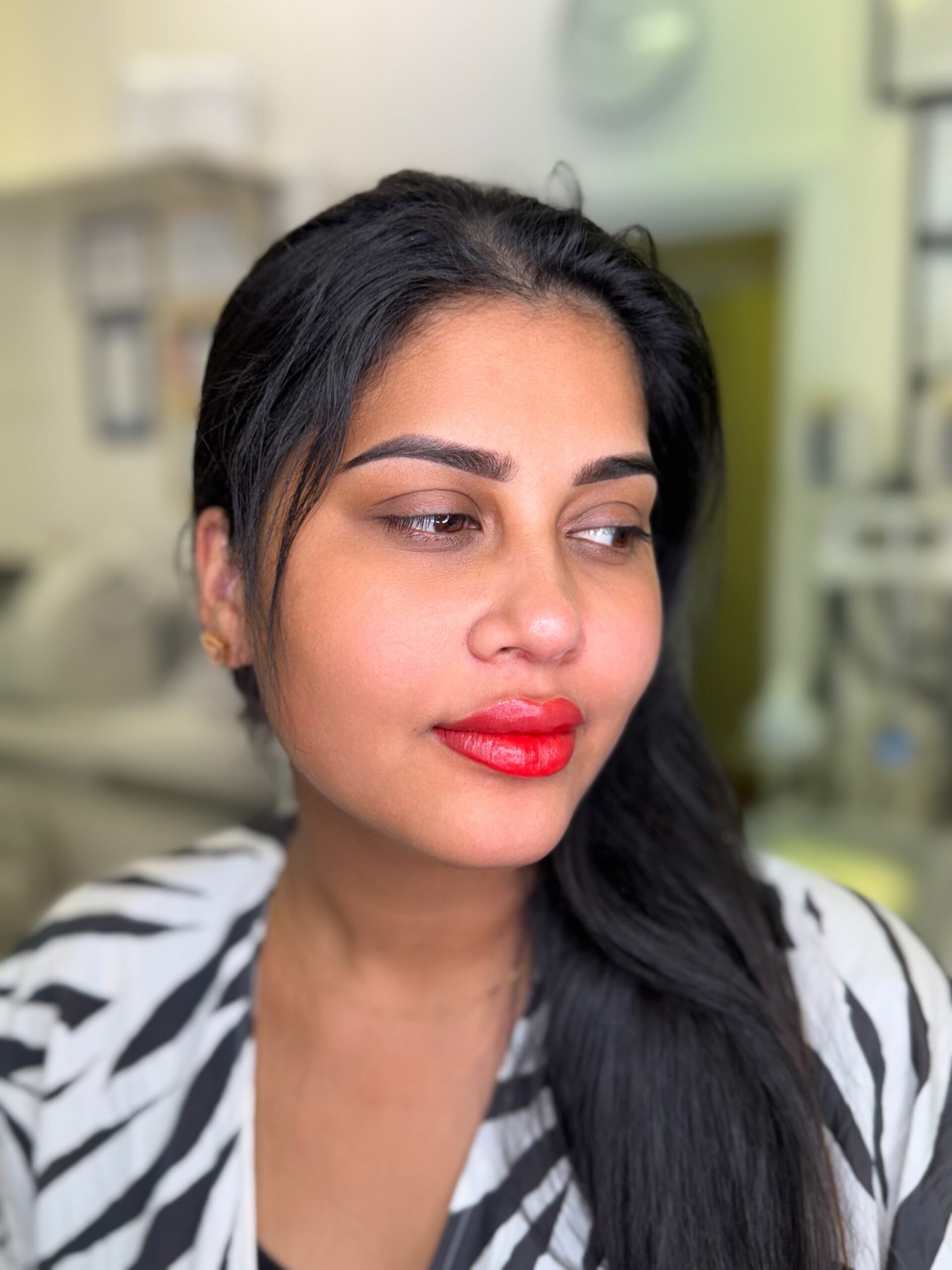
Ombre Eyebrows
Certainly!
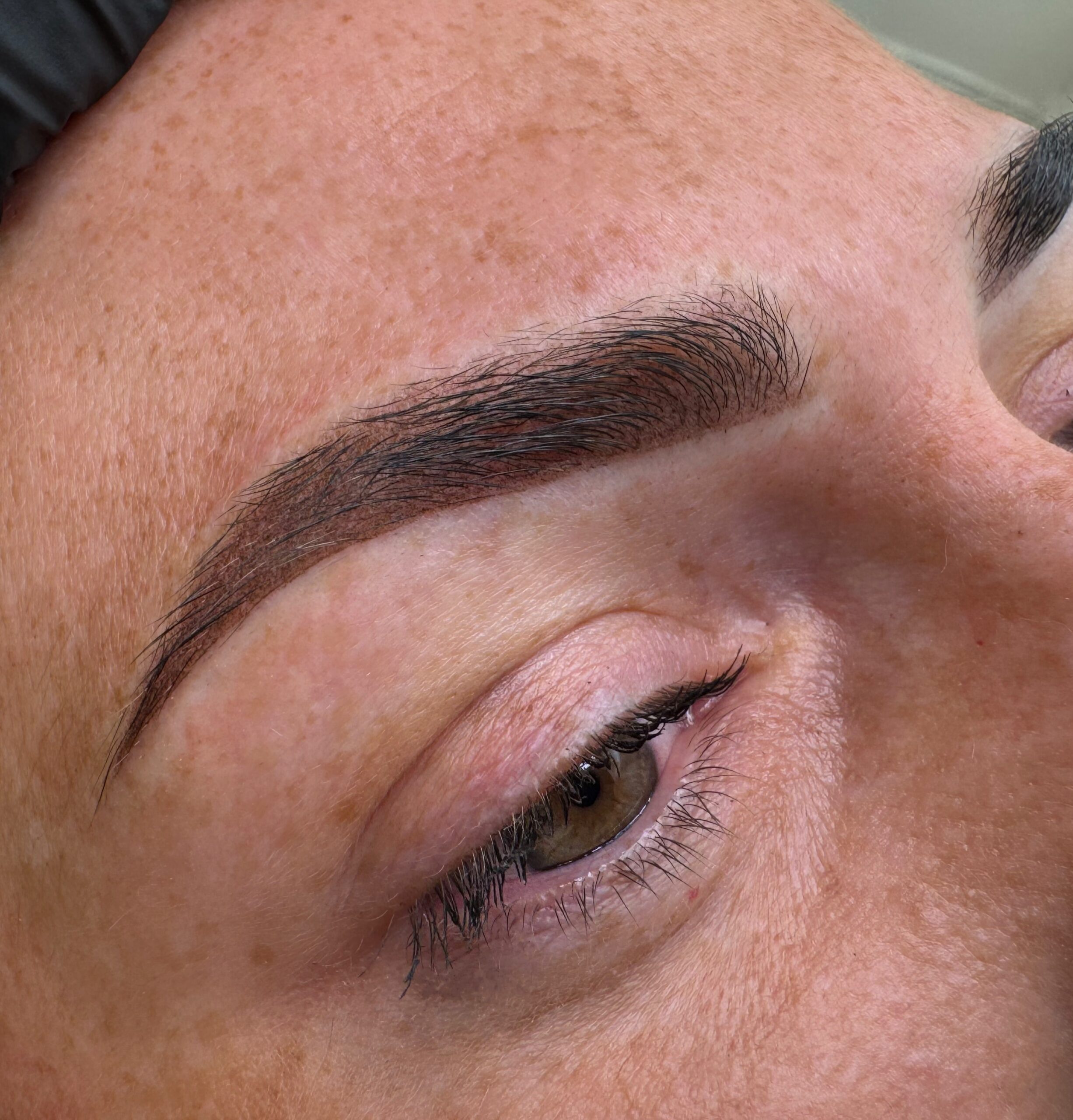
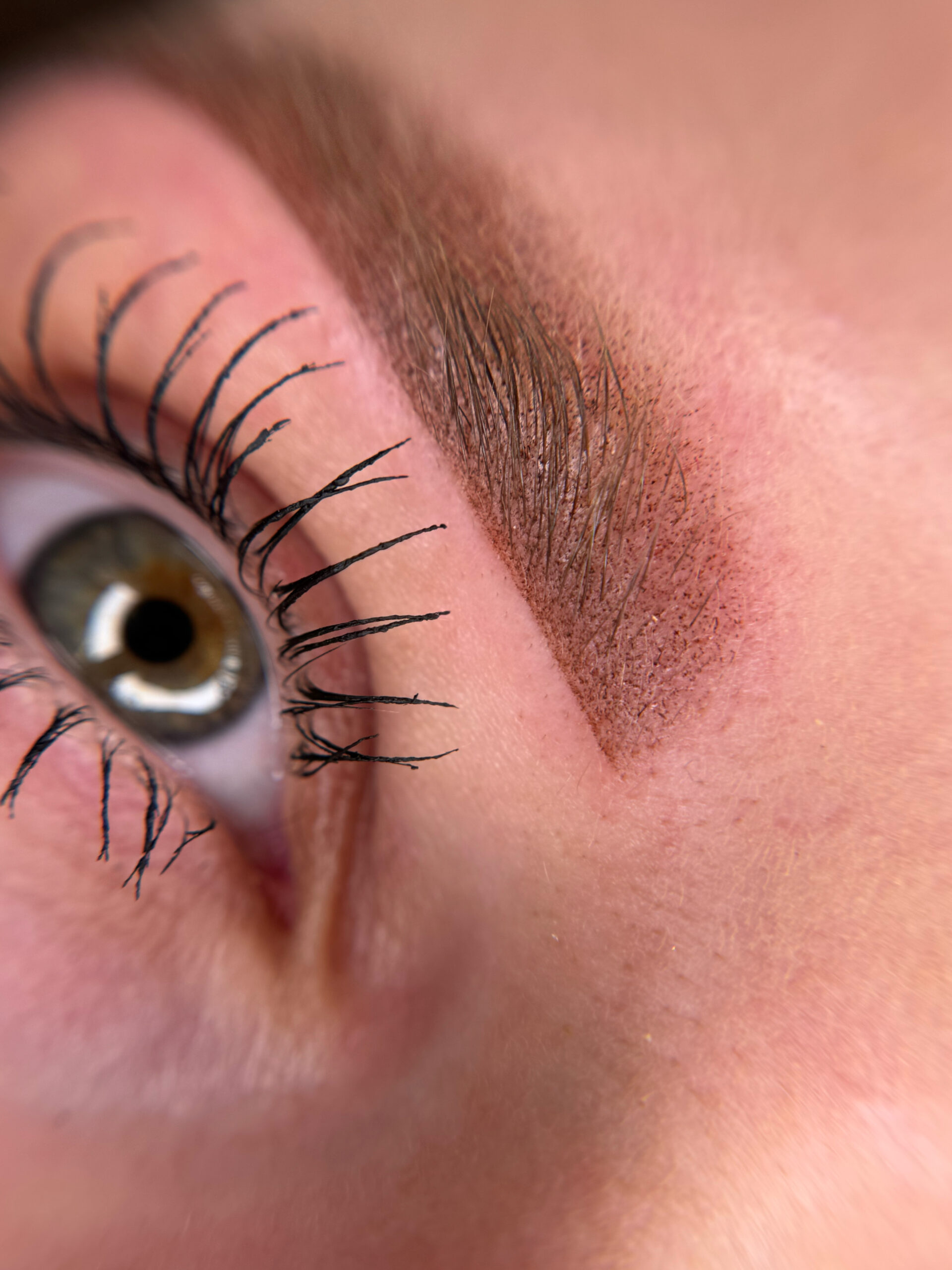
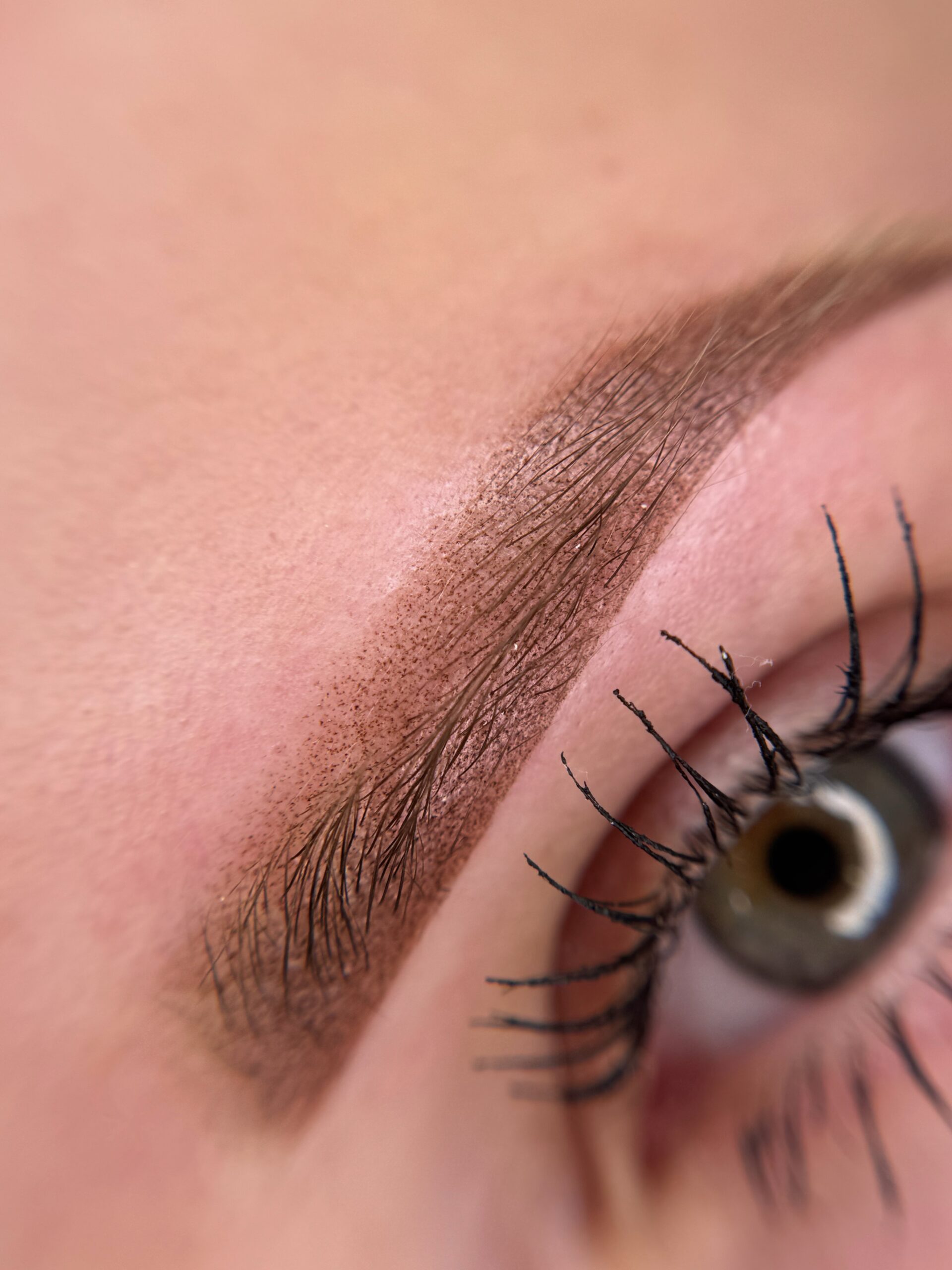
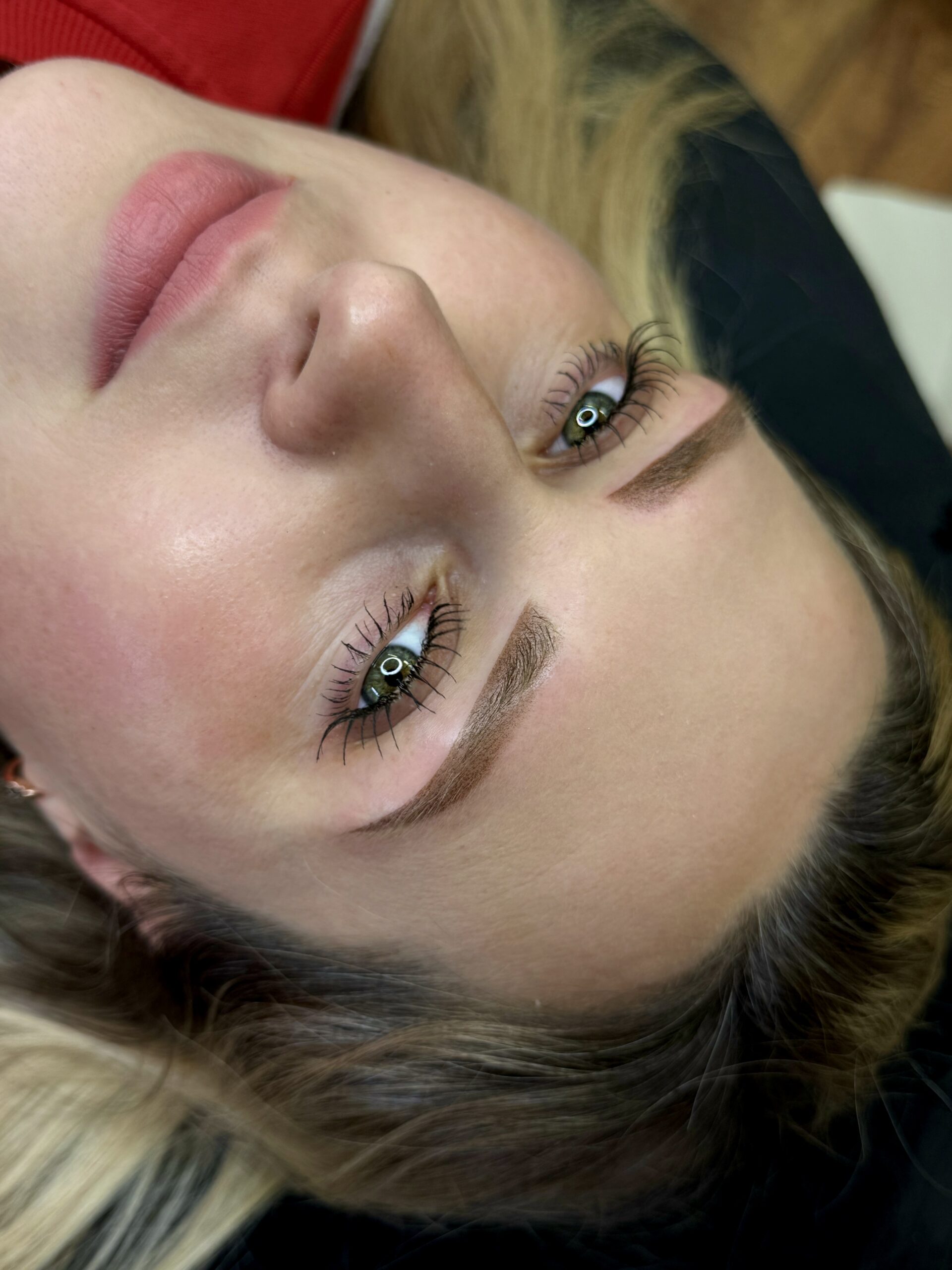
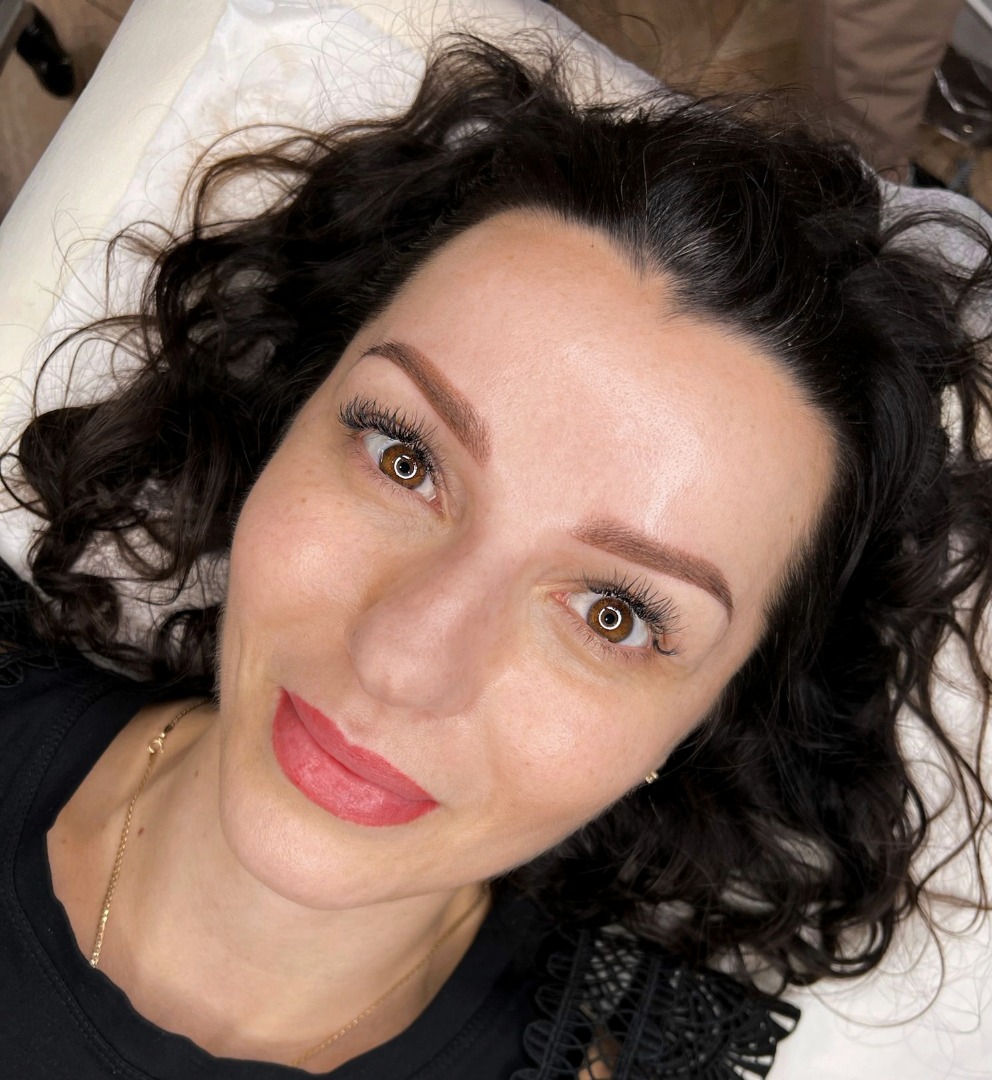
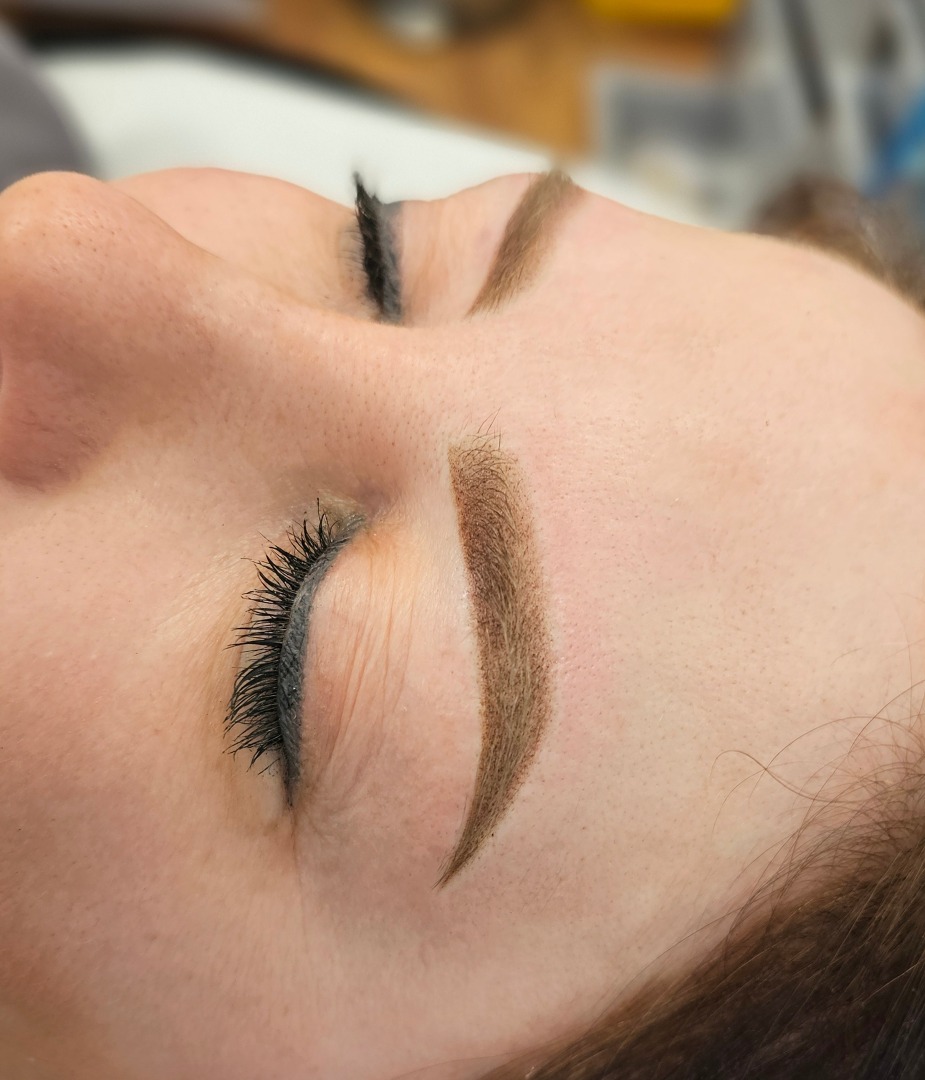
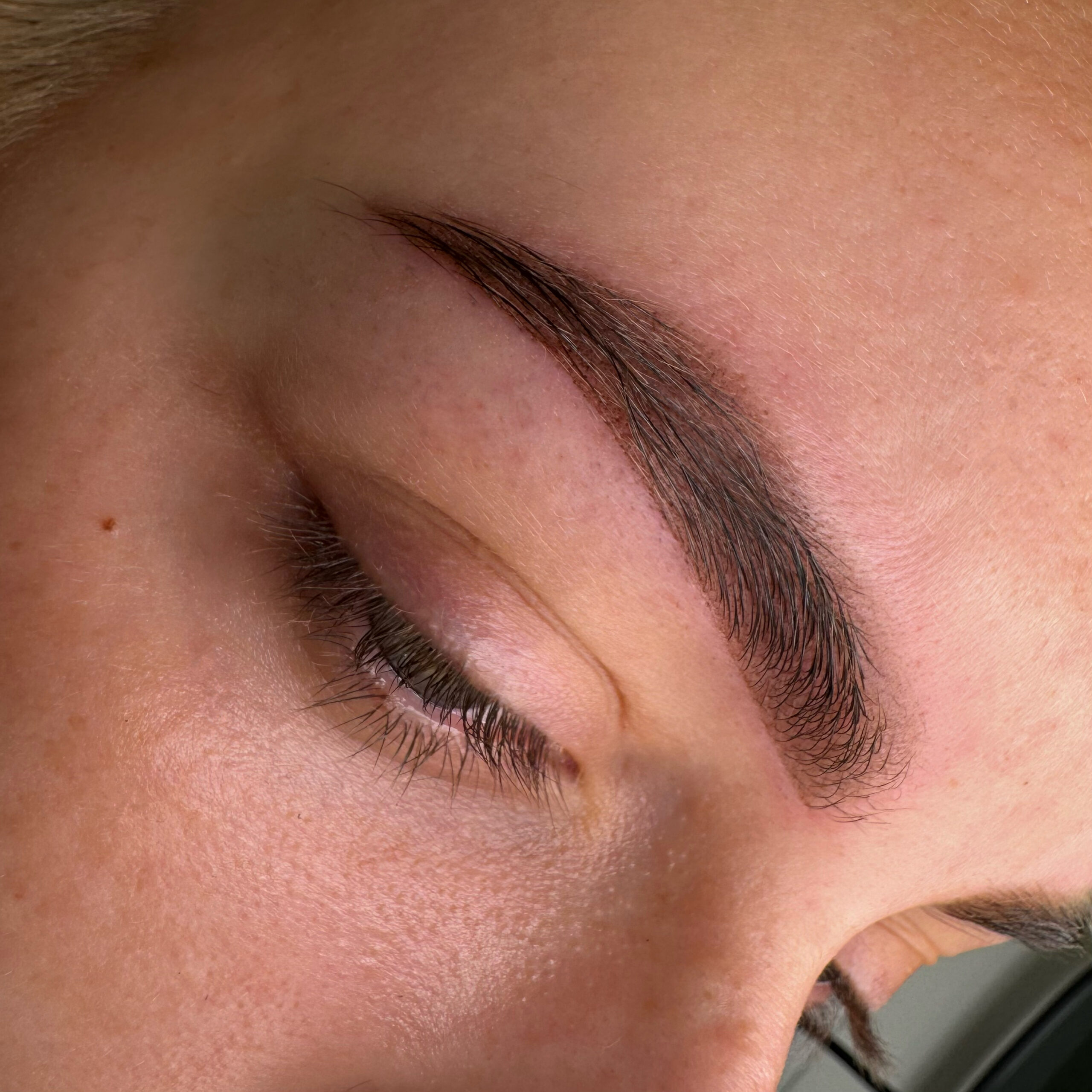
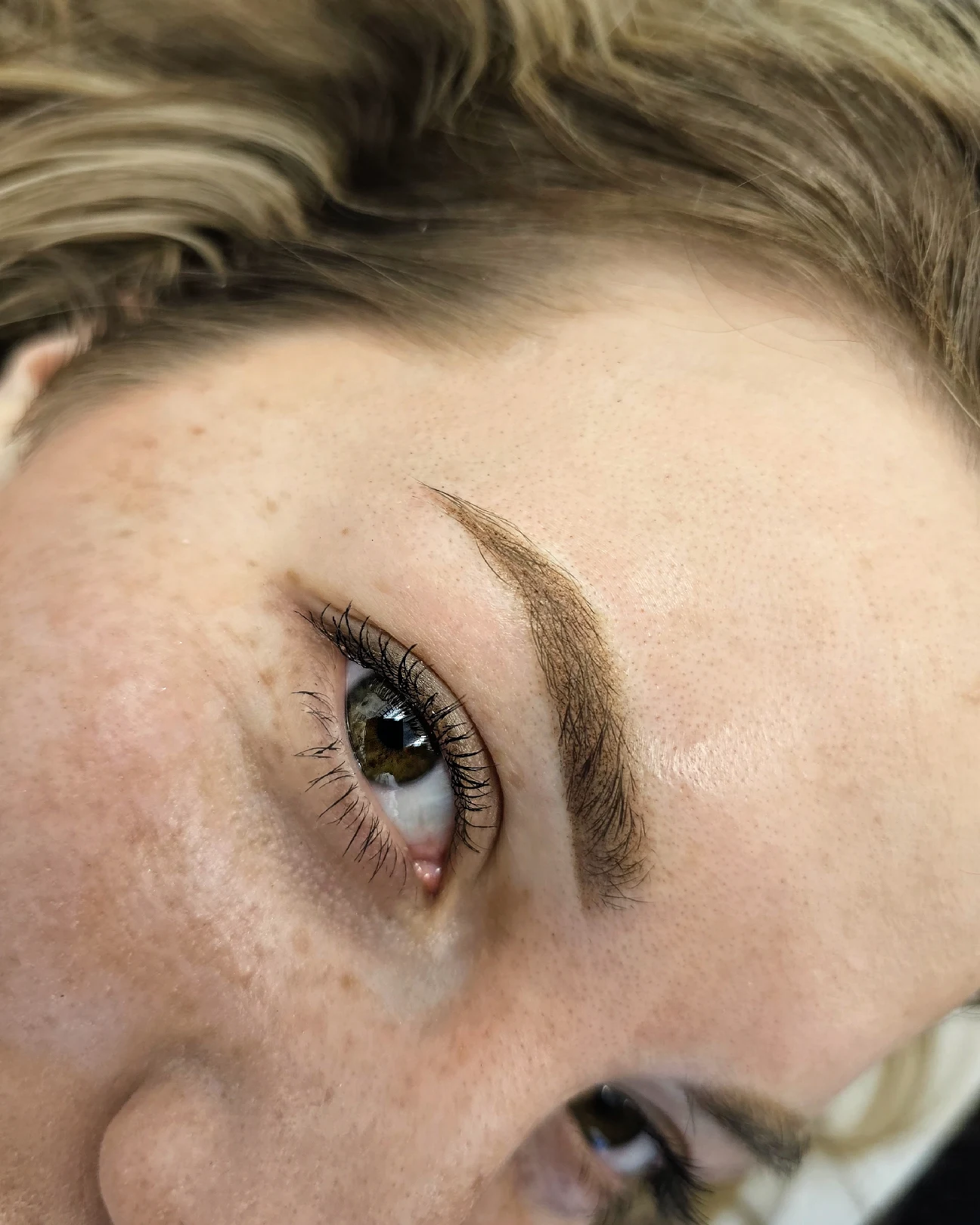
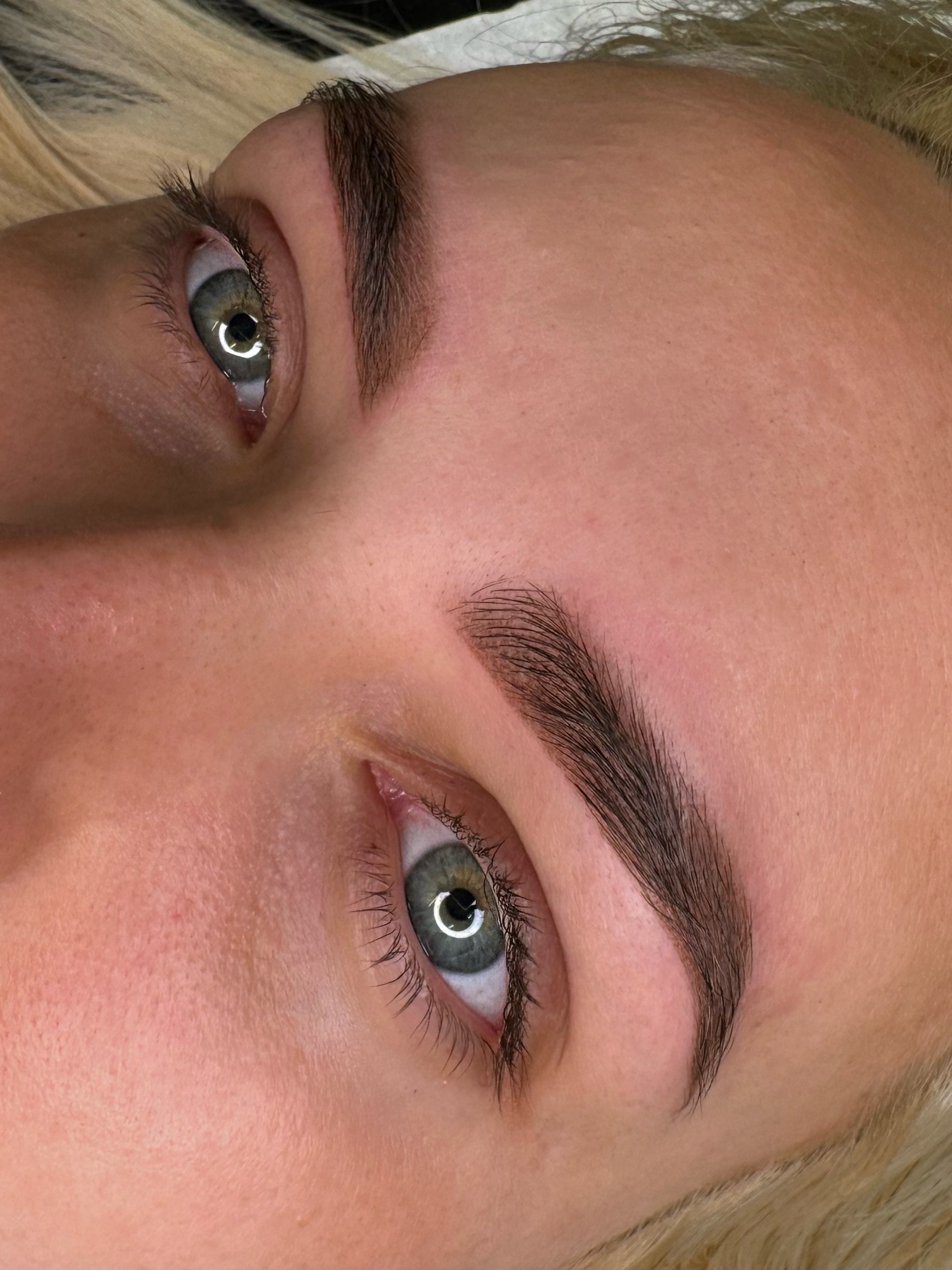
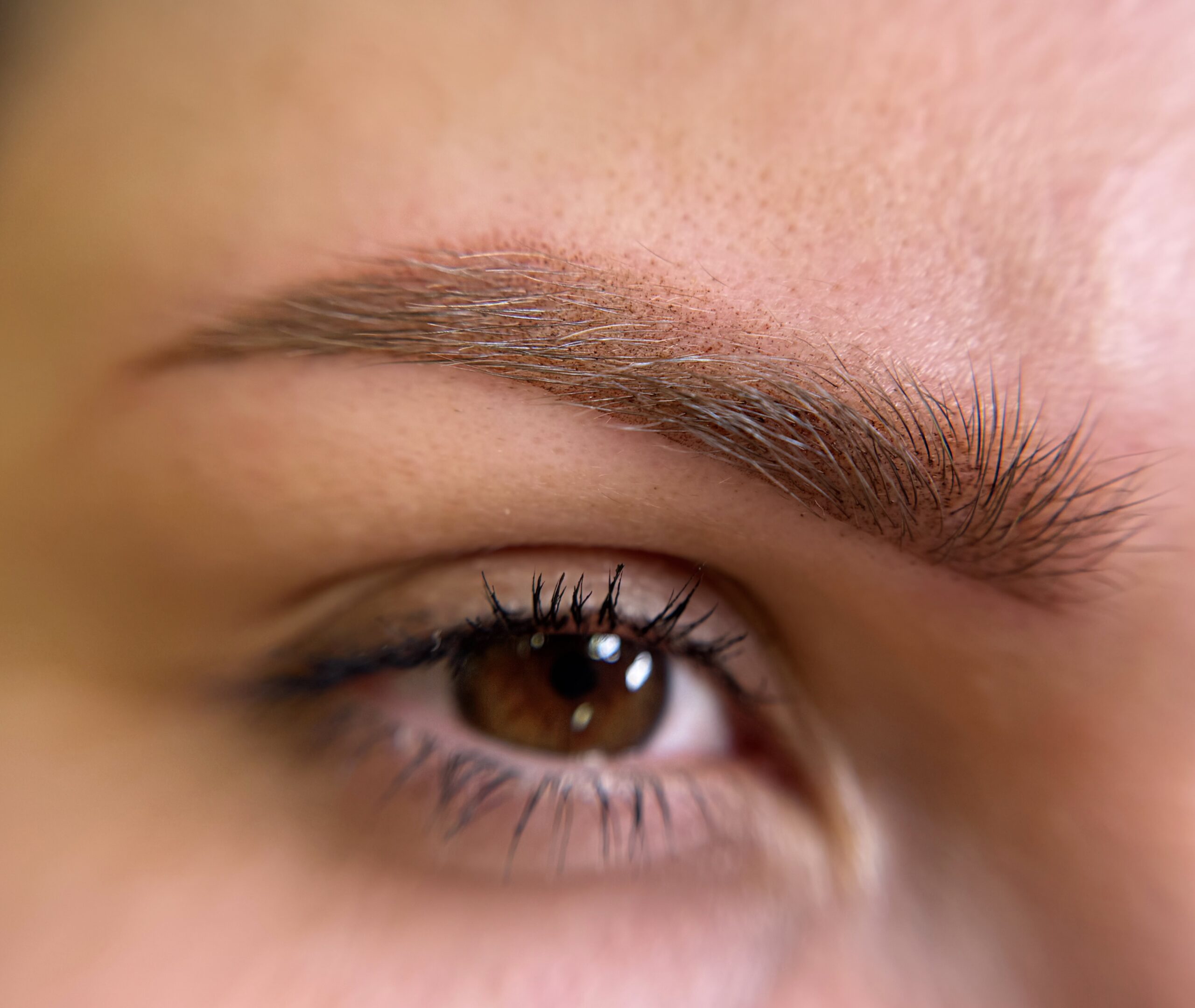
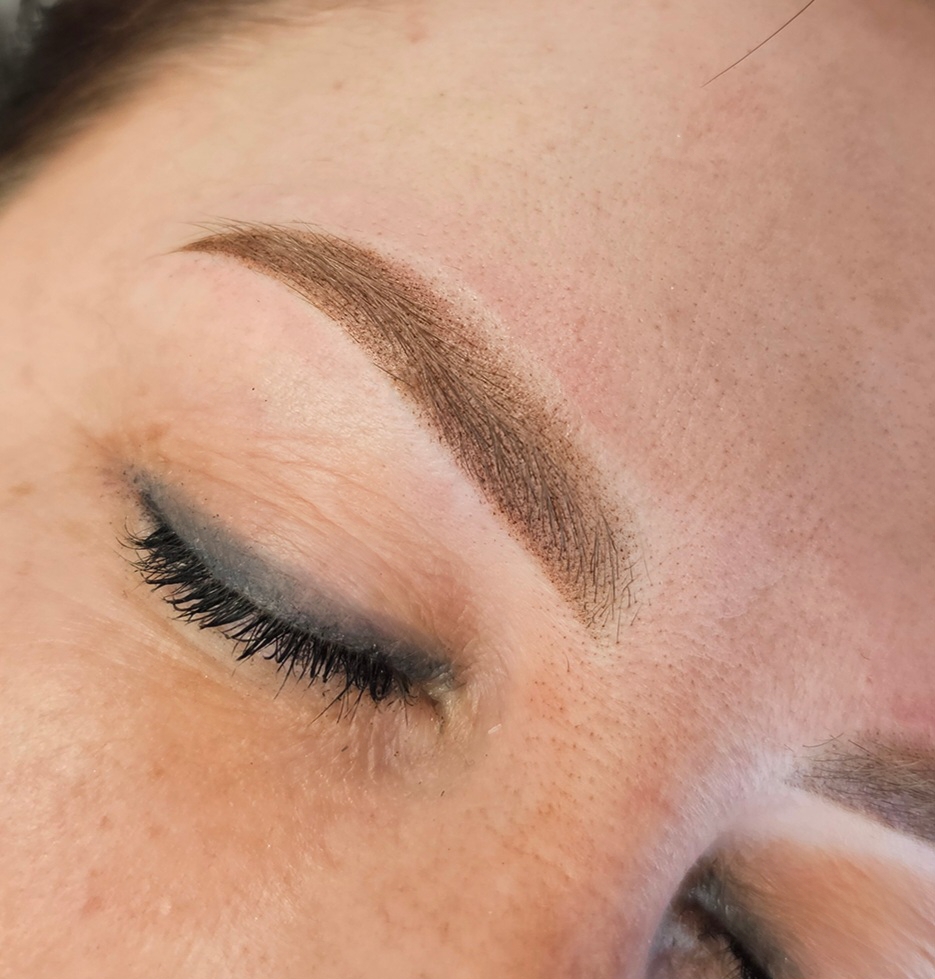
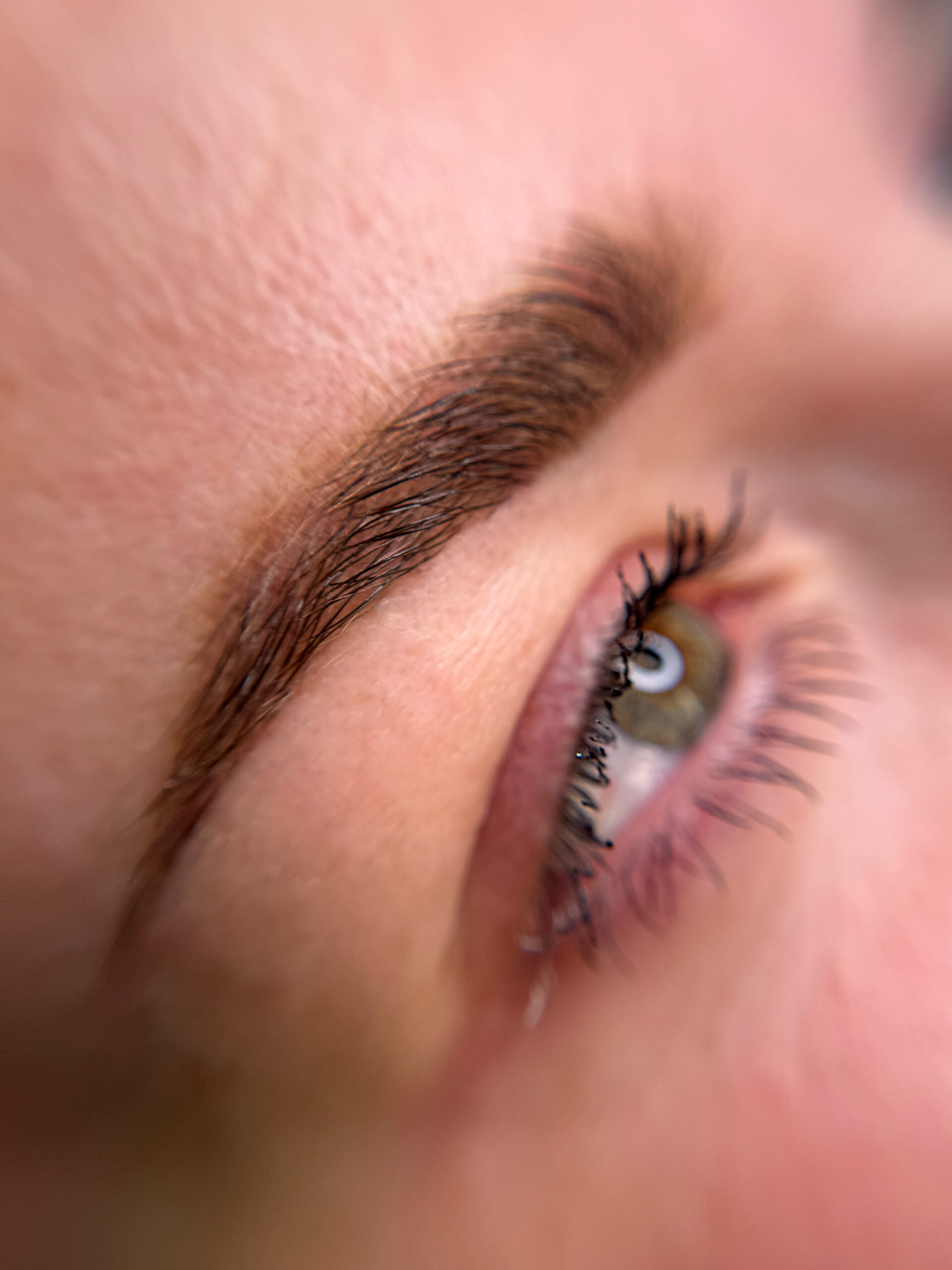
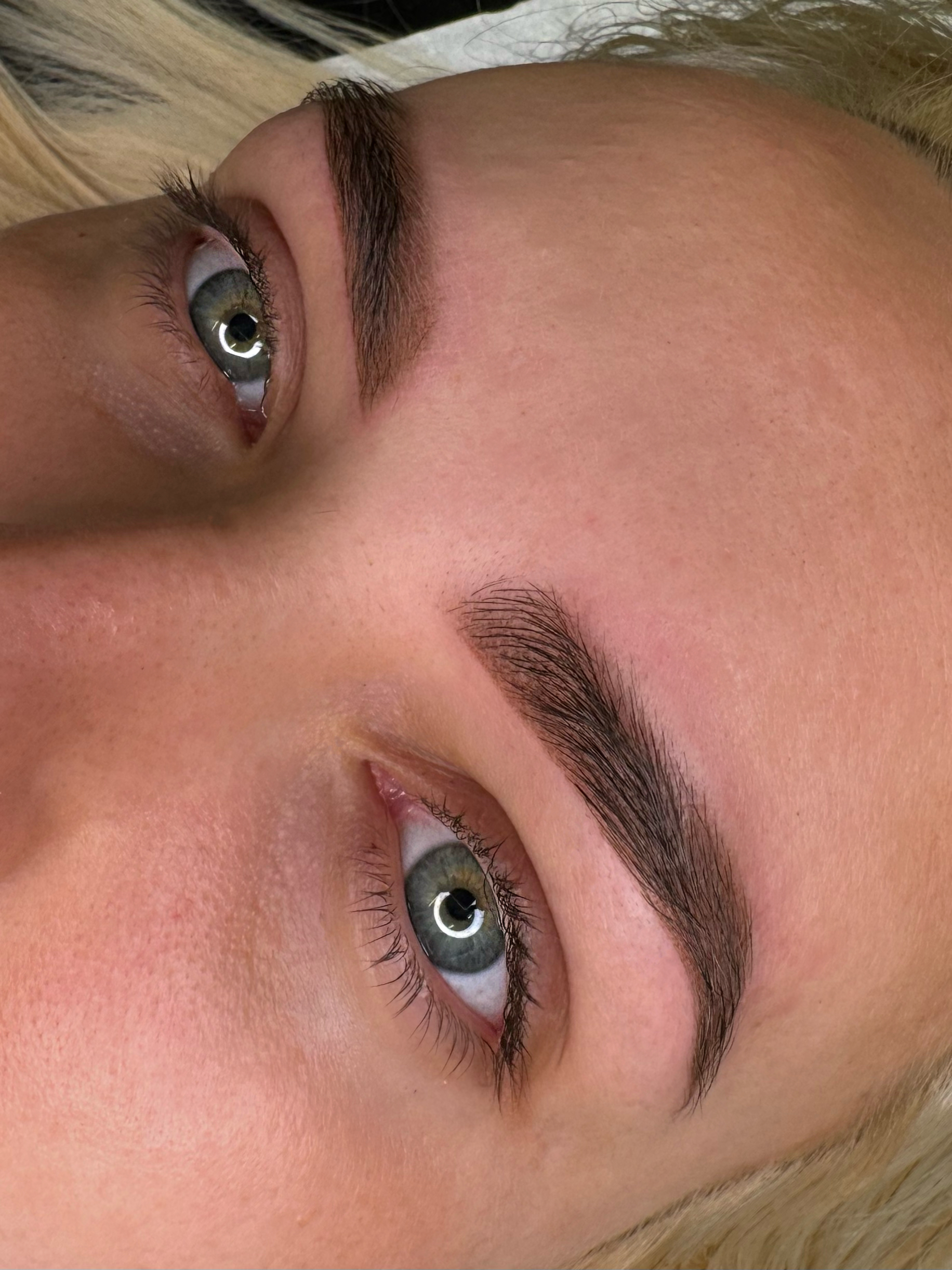
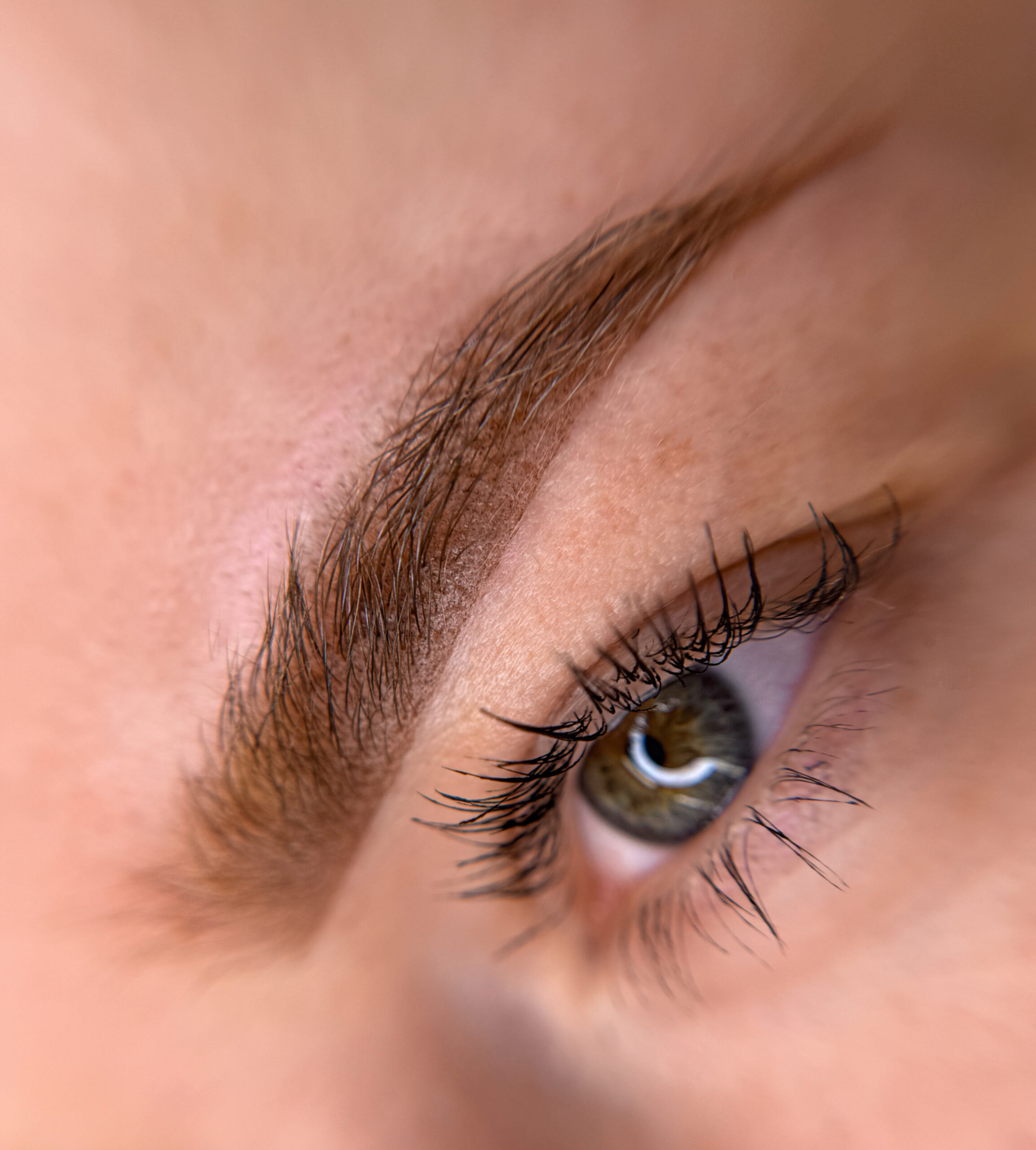
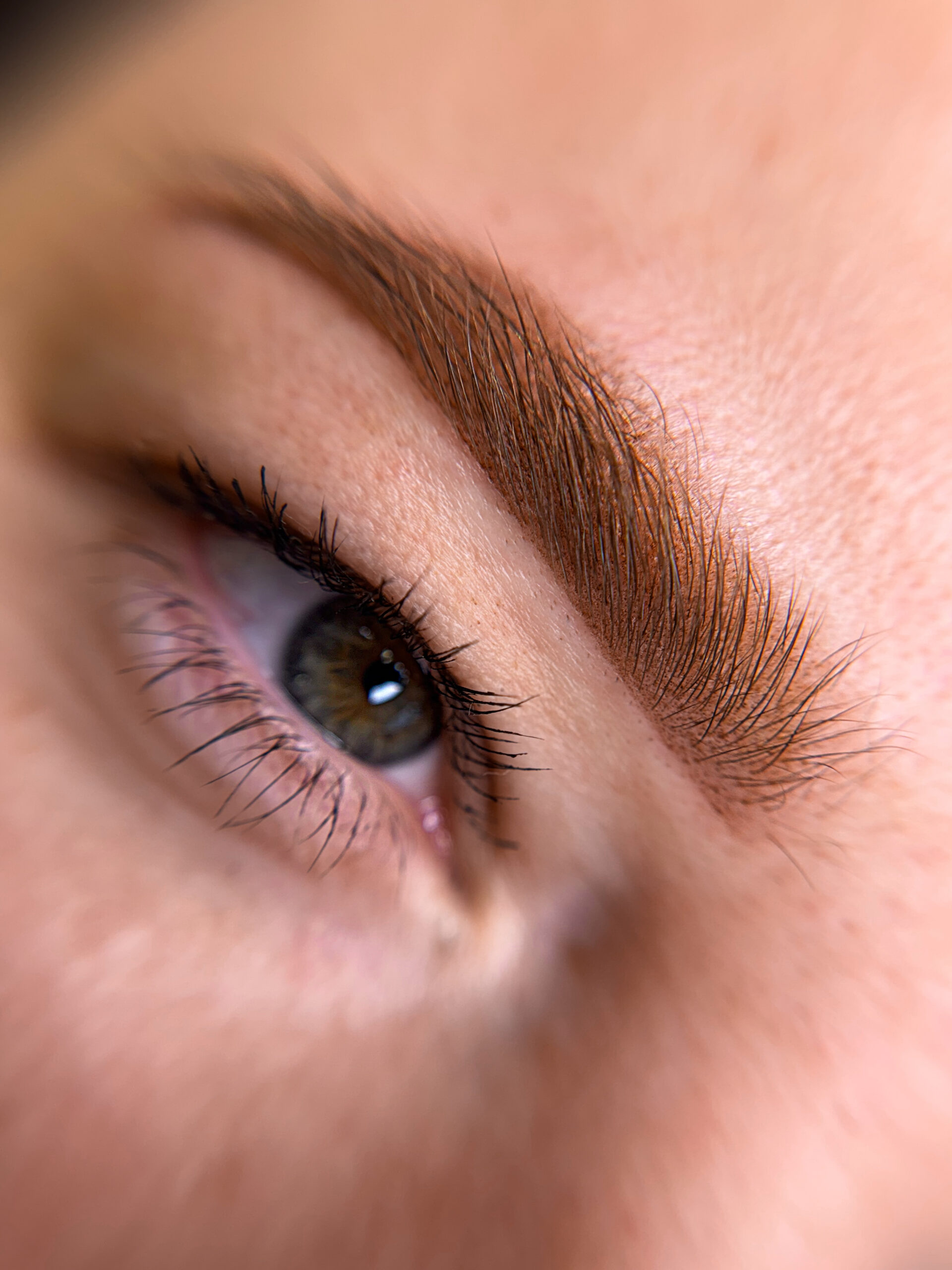
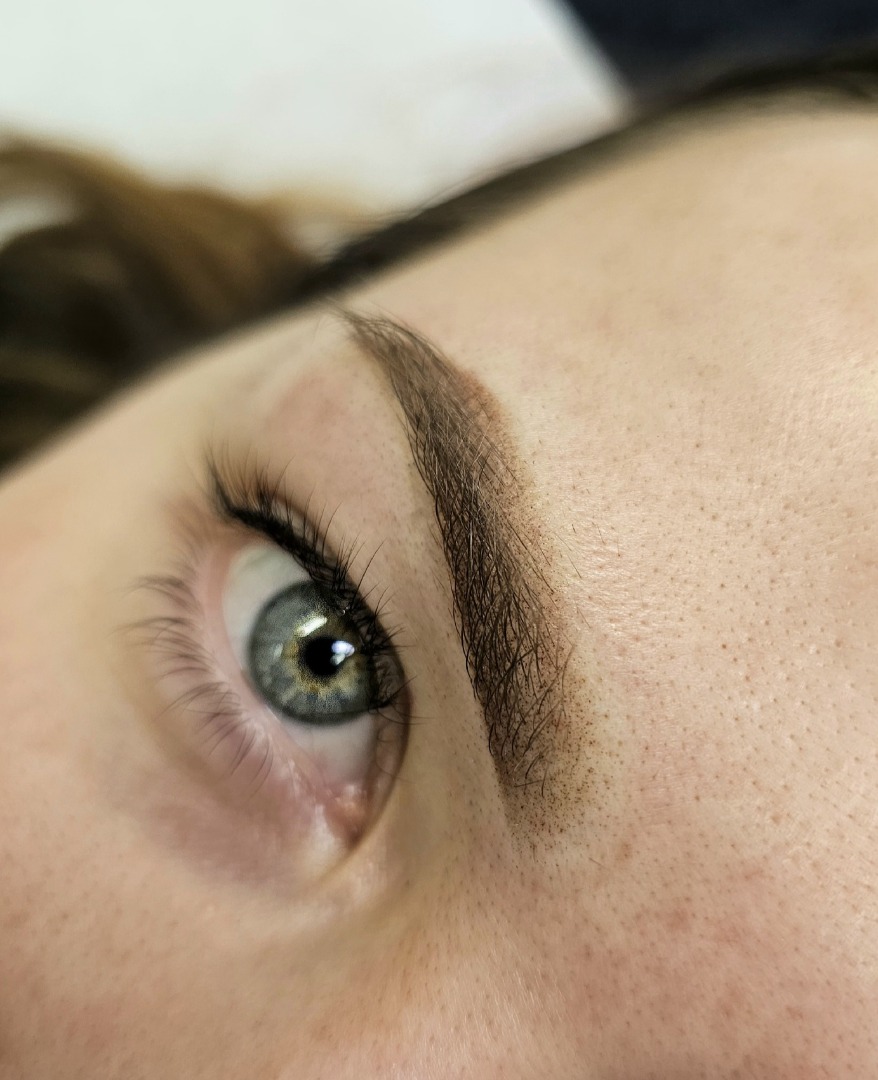
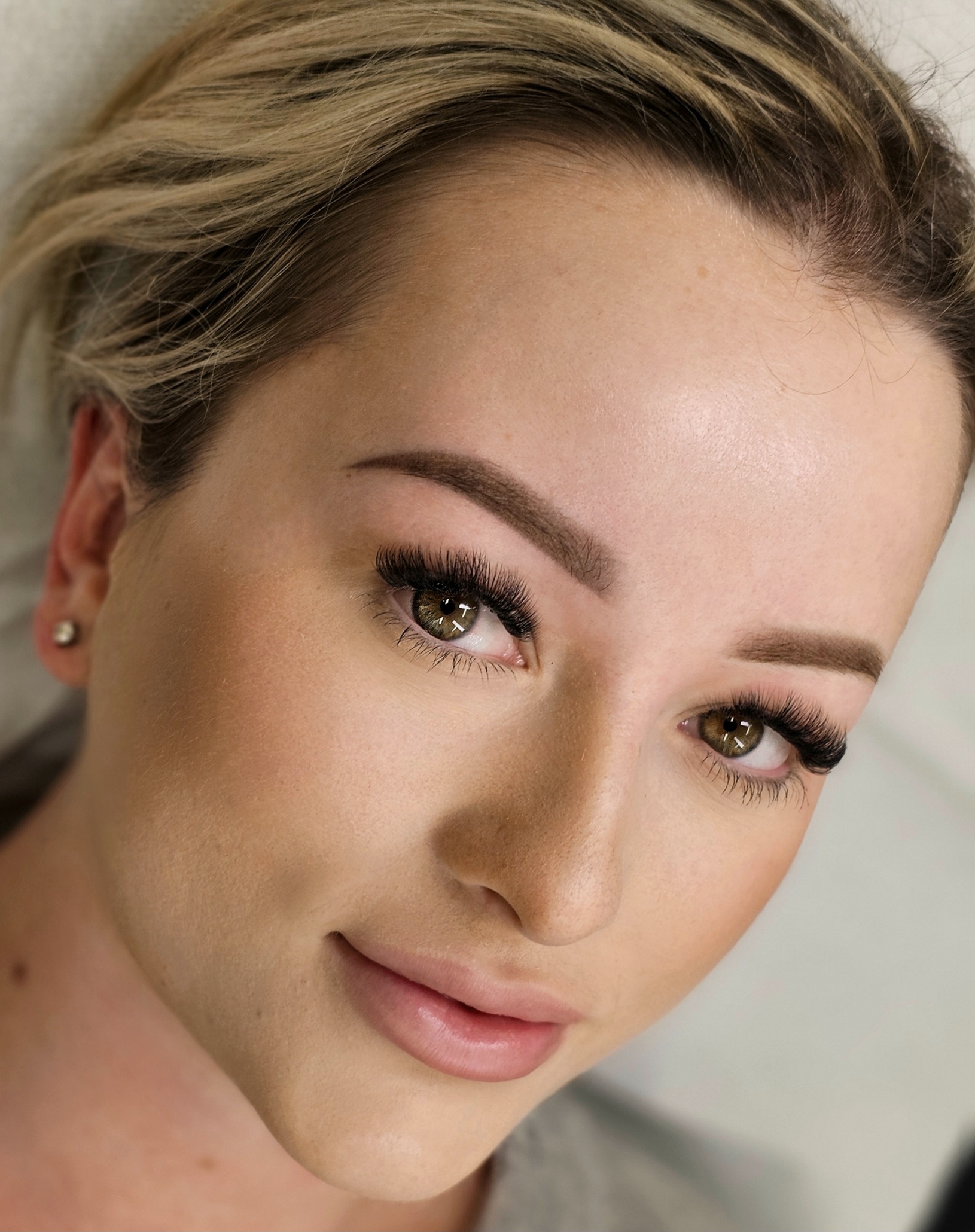
The permanent ombre eyebrows technique is a popular semi-permanent makeup method that gives your eyebrows a soft and gradient effect, providing a natural and defined look.
Benefits of permanent eyebrow makeup:
- Fills in gaps in the eyebrows
- Evens out asymmetry
- Hides scars on the brow arch
- Permanently shapes the eyebrows appropriately
- Deeply defines the gaze
- Helps save time
HERE’S A STEP-BY-STEP BREAKDOWN OF HOW THE TECHNIQUE IS TYPICALLY PERFORMED:
- Consultation
The process usually begins with a consultation where you discuss your desired brow shape, color, and style with your technician. They will also assess your natural brows, facial features, and skin tone to customize the look specifically for you.
- Mapping and shaping
Using various measuring techniques and symmetrical guidelines, the technician carefully maps out the ideal brow shape that flatters your unique facial features. This step ensures that the final result is balanced and natural-looking.
- Pigment selection
The technician chooses a pigment shade that matches or enhances your natural hair color, taking into consideration your skin tone and personal preferences.
- Pigmentation process
The actual pigmentation process involves using a handheld device that contains ultra-thin needles. These needles deposit small, precise dots of pigment into the skin in a stippling motion. The technician follows the mapped-out shape to create the desired ombre effect, starting with a lighter shade at the front of the brow and gradually transitioning to a slightly darker shade towards the tail. This technique adds dimension and depth to achieve a soft gradient appearance.
- Numbing
To ensure your comfort during the procedure, a topical numbing cream is applied to the brow area. This helps to minimize any potential discomfort.
- Multiple sessions
Depending on the desired intensity and color, it may require multiple sessions to achieve the desired result. Each session allows for adjustments and touch-ups to perfect the shape and color.
- Aftercare
After the procedure, your technician will provide you with detailed aftercare instructions. You may be advised to avoid direct sunlight, excessive sweating, swimming, and certain cosmetic products during the healing process. Additionally, using a specialized aftercare balm or ointment may be recommended to promote proper healing.
- Follow-up appointment
A follow-up appointment is usually scheduled to assess the healed results and address any necessary touch-ups or adjustments. This ensures that your permanent ombre eyebrows stay looking flawless for an extended period.
IF YOU HAVE ANY OF THE FOLLOWING CONDITIONS OR ARE TAKING CERTAIN MEDICATIONS, IT IS IMPORTANT TO OBTAIN MEDICAL CONSENT OR APPROVAL BEFORE UNDERGOING A COSMETIC TATTOO PROCEDURE:
If you have recently stopped taking Accutane, which is used for severe acne, you should consult with your doctor to ensure that your skin is in a stable condition and able to undergo the procedure safely.
Individuals who experience fever blisters or cold sores may be at risk of an outbreak after the procedure. It is crucial to discuss the procedure with your physician and receive instructions on how to prevent an outbreak. Your doctor may prescribe antiviral medication such as Zovirax or Valtrex to be taken before and after the procedure.
If you are insulin dependent, undergoing permanent makeup may compromise the healing process and take longer than usual. However, if your condition is well-managed and your doctor deems it safe, you may request a letter stating that you are medically fit for cosmetic tattooing.
Medications used to manage epilepsy may have side effects that can cause fainting during the treatment. It is important to discuss this with your physician before proceeding with the procedure.
Certain medications and antibiotics can affect the healing and recovery process, potentially leading to poor pigment retention. It is recommended to consult with your doctor to determine if any adjustments or precautions are necessary.
Long-term use of blood thinners such as heparin, aspirin, ibuprofen, or certain herbs may increase bleeding and bruising, affecting the implantation of pigment and prolonging the healing time. It is essential to disclose the use of such medications to your technician and consult with your physician for further guidance.
If you have an autoimmune disease, such as cancer or HIV, it is important to seek clearance from your doctor before considering permanent makeup to ensure that your condition is stable and that the procedure will not have any adverse effects.
Those with glaucoma should avoid eyeliner procedures due to the increased intraocular pressure and potential damage caused by the application process. It is crucial to have your condition under control and consult with your physician for consent before undergoing eyeliner tattooing.
While it is possible to work around areas affected by vitiligo, there is a risk of spreading the condition. It is important to consult with your technician and understand the potential risks before proceeding with the treatment.
Prior to the treatment, it is essential to be in good overall health and avoid the influence of drugs or alcohol. It is recommended to abstain from heavy drinking the day before the treatment, as alcohol can thin the blood and increase bleeding, which may affect the pigment retention.
Please note that this information is provided as a general guideline, and it is always best to consult with your doctor for personalized medical advice and approval before proceeding with any cosmetic tattoo procedure.
IT IS CRUCIAL TO TAKE NOTE OF CERTAIN FACTORS THAT MAY HINDER OR AFFECT THE SUCCESSFUL OUTCOME OF YOUR PERMANENT MAKEUP PROCEDURE. HERE ARE SOME GUIDELINES TO KEEP IN MIND:
If you have recently undergone eye surgeries such as Lasik or Cornea repair, we kindly request that you wait at least 6 months before getting a permanent makeup procedure on your eyes. This waiting period ensures that your eyes have fully healed and stabilized.
For individuals with surgery or injury-related scars, we advise that you wait until the scar has healed for at least one year before considering permanent makeup. This waiting time allows for optimal healing and ensures the best possible results.
If you have any active skin irritations in the area to be treated, such as pimples, active cold sores, bruises, or sunburn, it is essential that you allow them to heal completely before proceeding with your procedure. Additionally, any moles in the treatment area should be removed and fully healed beforehand if it is not possible to work around them.
To ensure the longevity of your pigments, it is advised that you discontinue the use of Retin-A or Retinols for at least 7 days before your appointment. Furthermore, it is important to avoid applying these products in or around the treatment area for 30 days post-procedure, as they may cause the pigments to fade prematurely.
Please refrain from undergoing any facial treatments such as microdermabrasion, chemical peels, or dermal rollers for a minimum of 3 weeks prior to your permanent makeup procedure. It is crucial to wait until the healing process is completed before engaging in these treatments.
If you are considering Botox injections, it is crucial to time your procedures strategically. Ideally, it is recommended to have your permanent makeup applied before receiving Botox for the first time. Alternatively, you can wait until your Botox requires topping up to schedule your permanent makeup appointment. Ensuring the proper sequence of these treatments avoids potential complications and ensures the best placement and results for your permanent makeup.
By adhering to these guidelines, you can help ensure the success, longevity, and overall satisfaction with your permanent makeup procedure. If you have any further questions or concerns, please do not hesitate to reach out to our knowledgeable team.